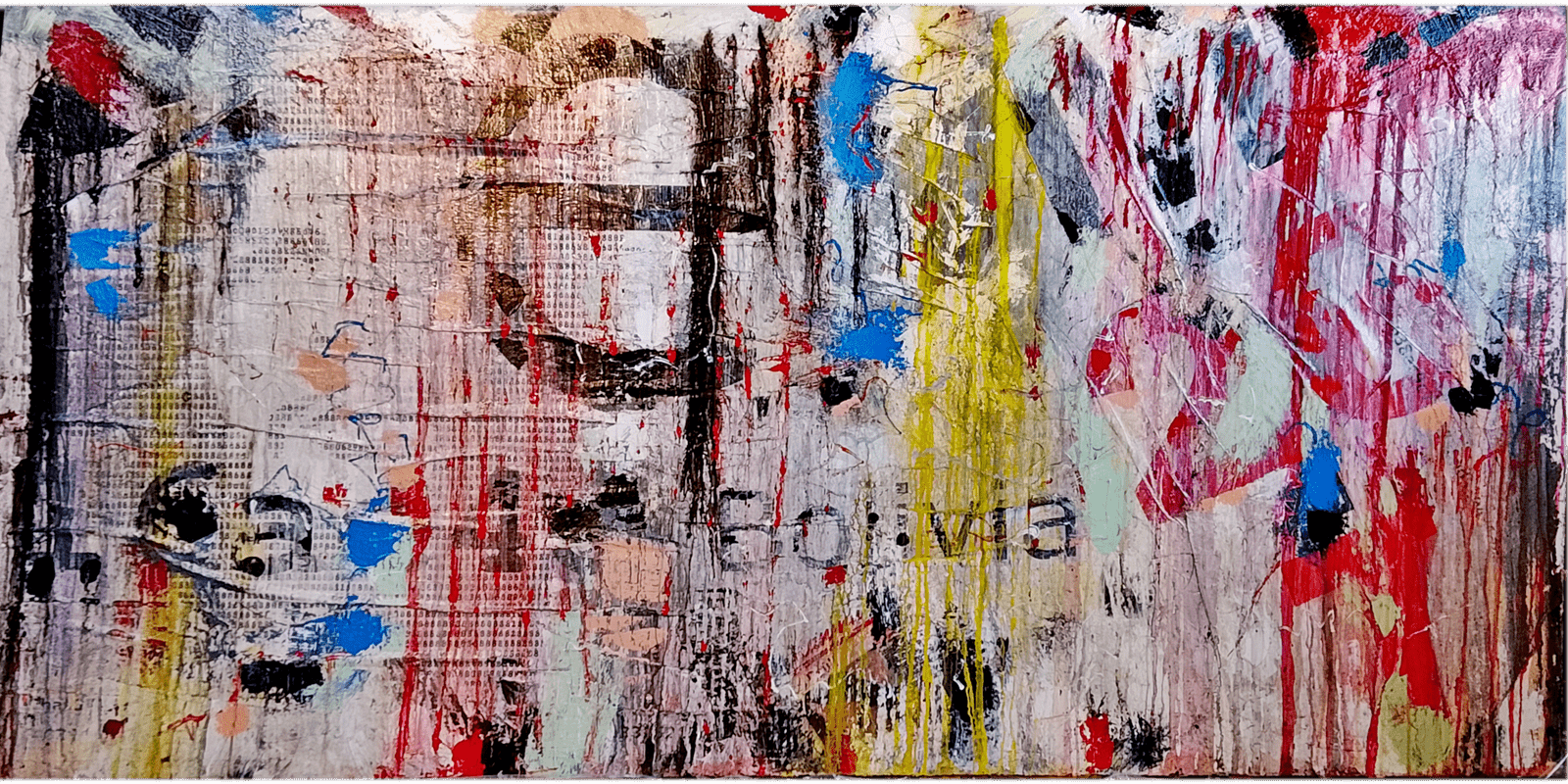
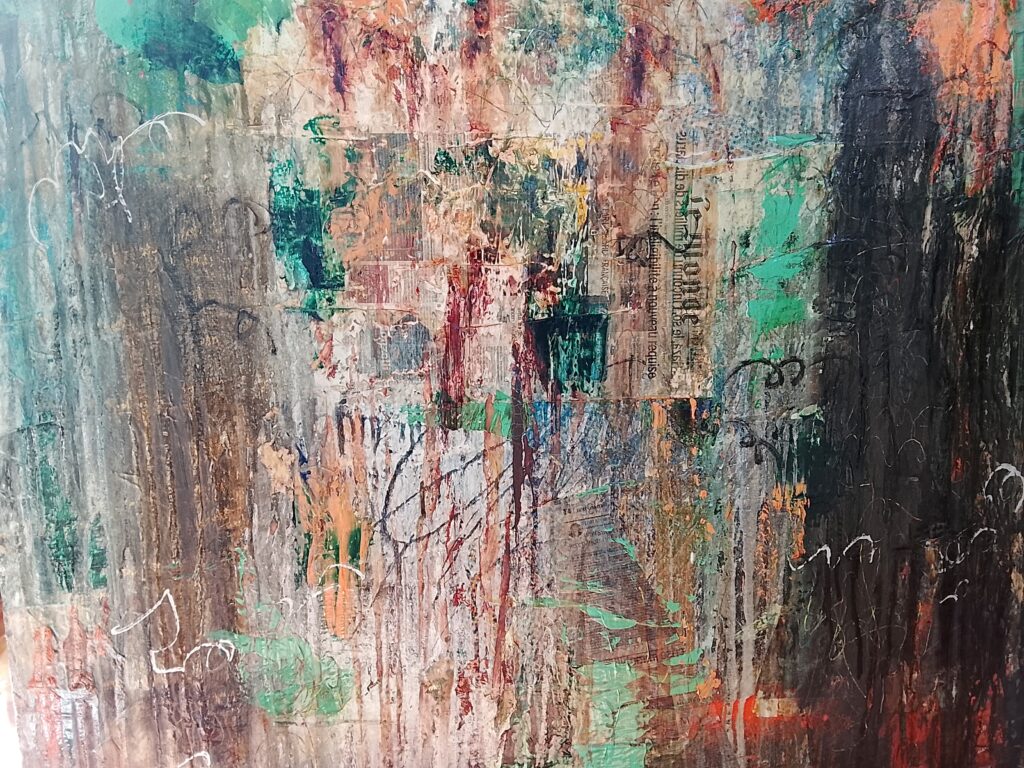
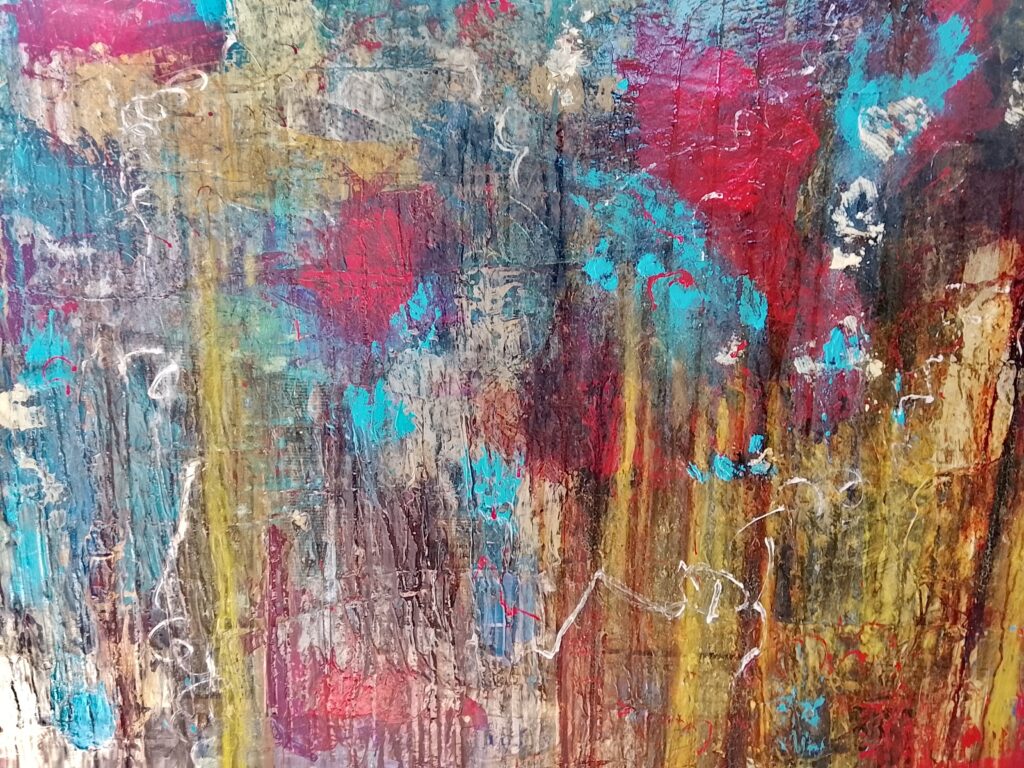
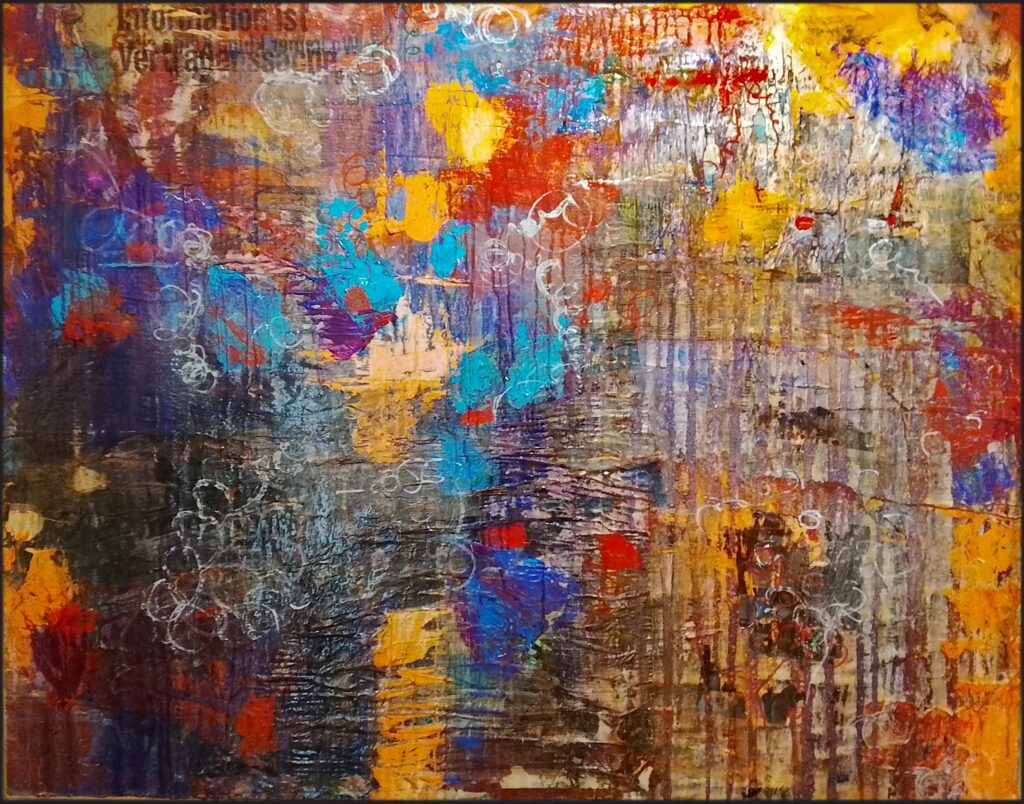
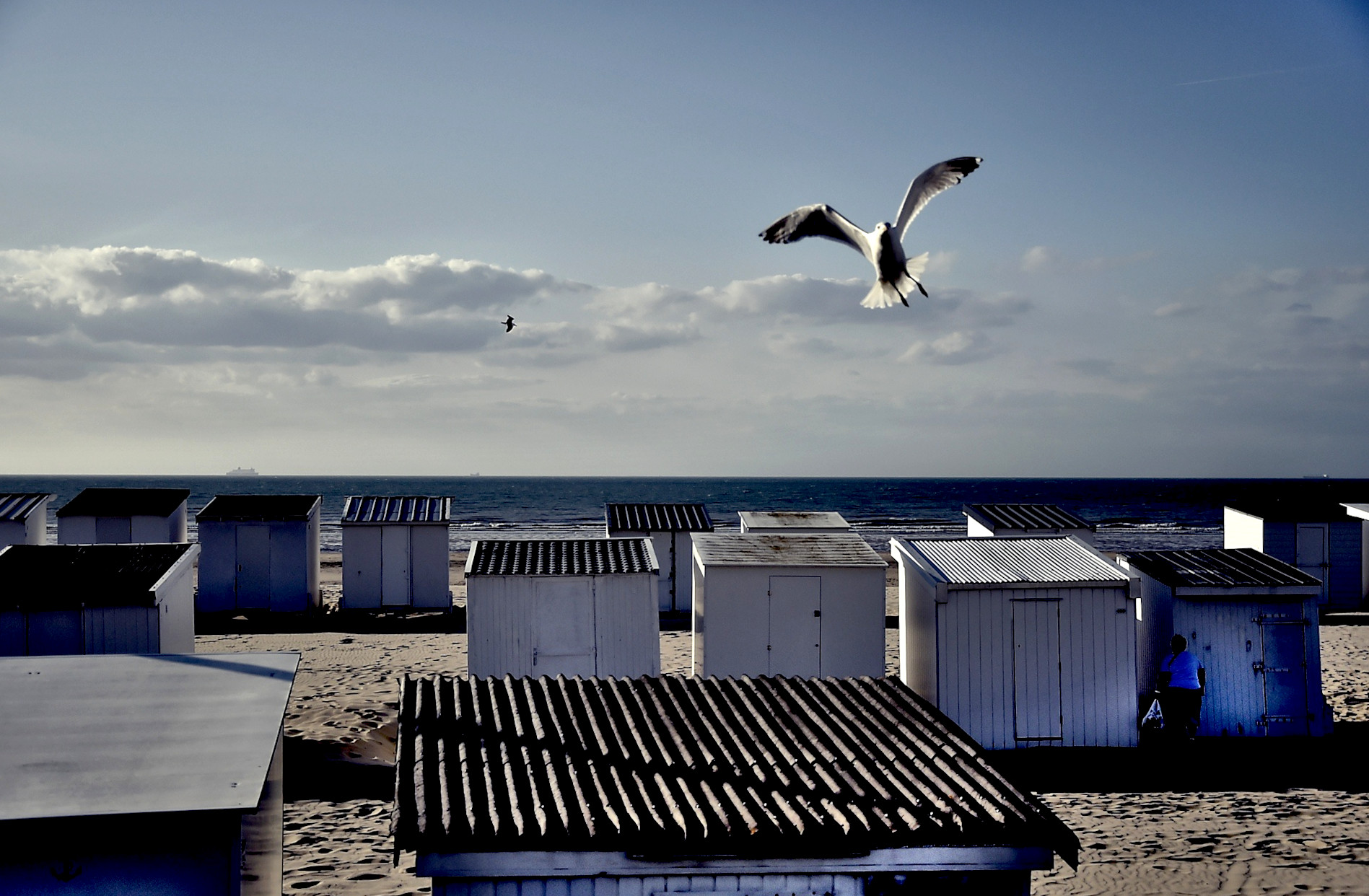
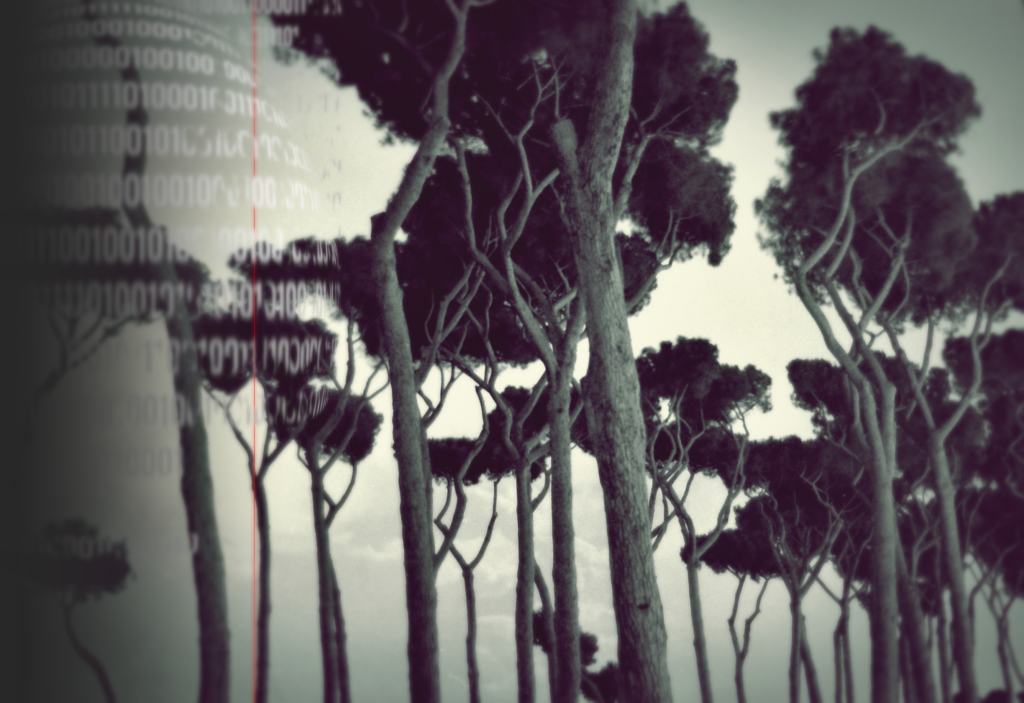
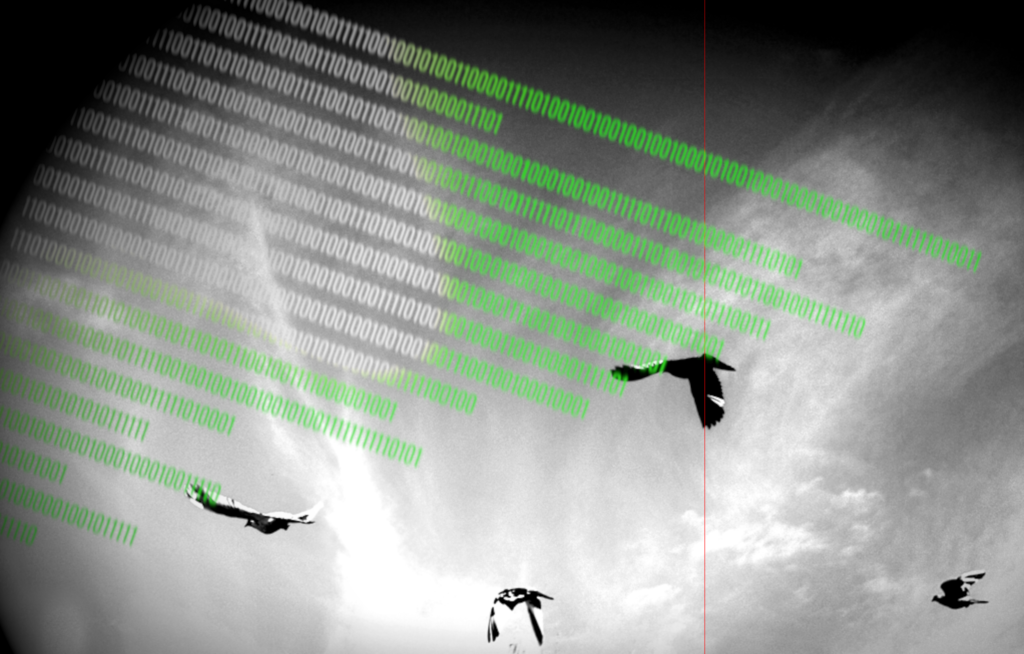
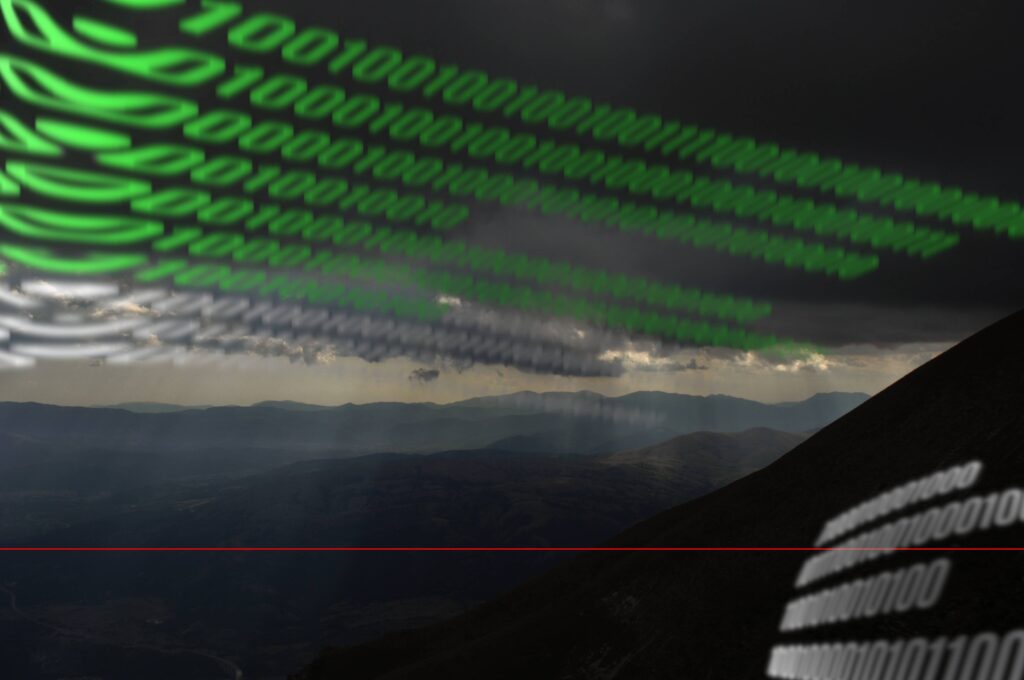
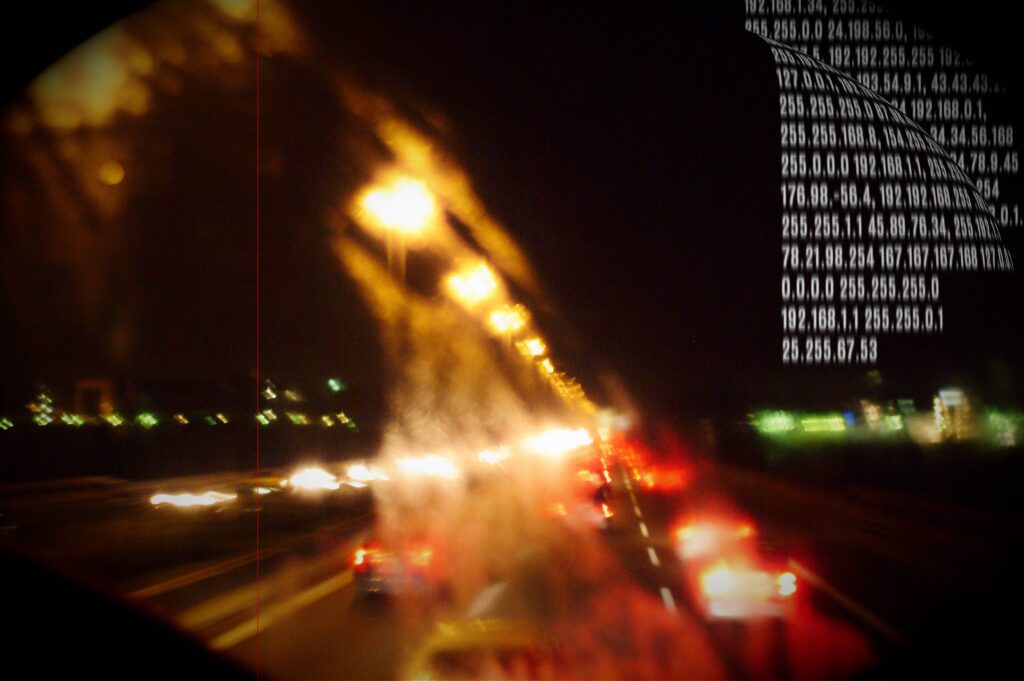
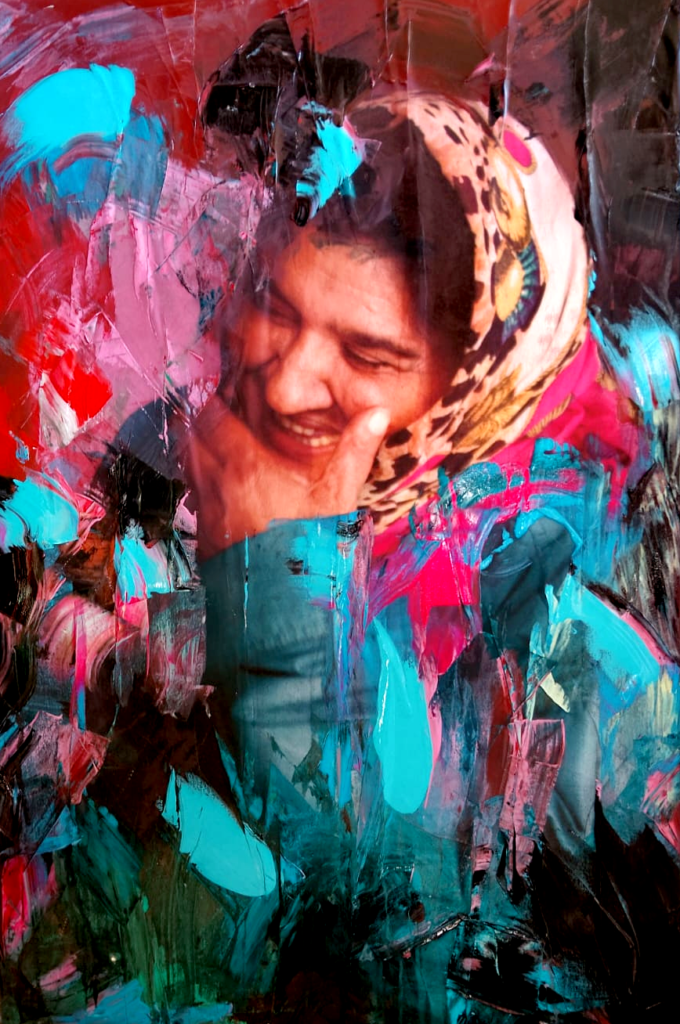
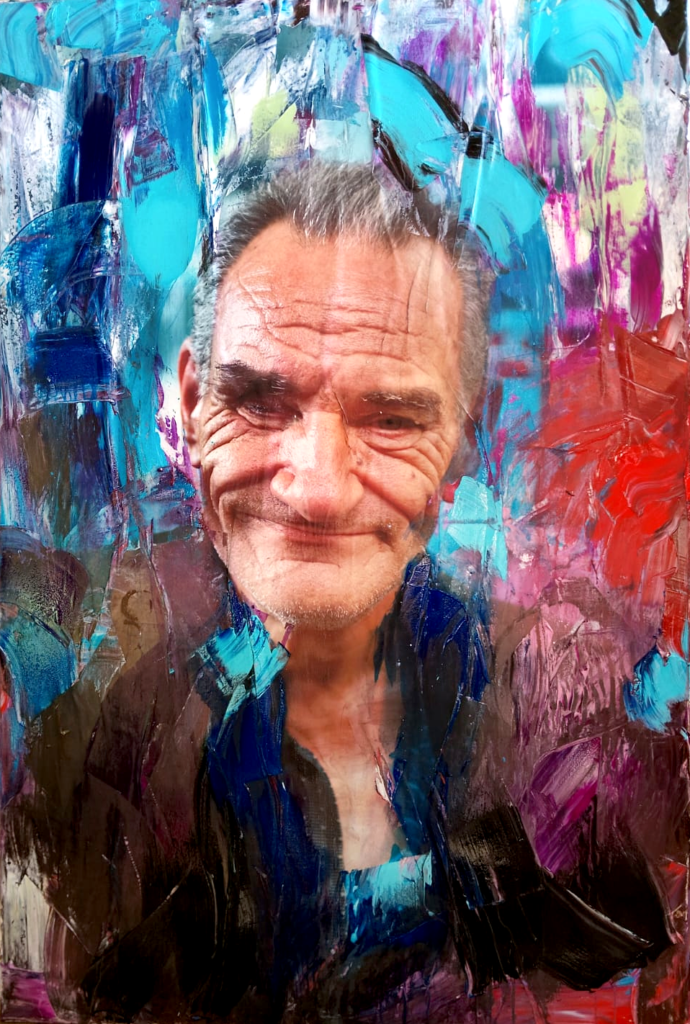
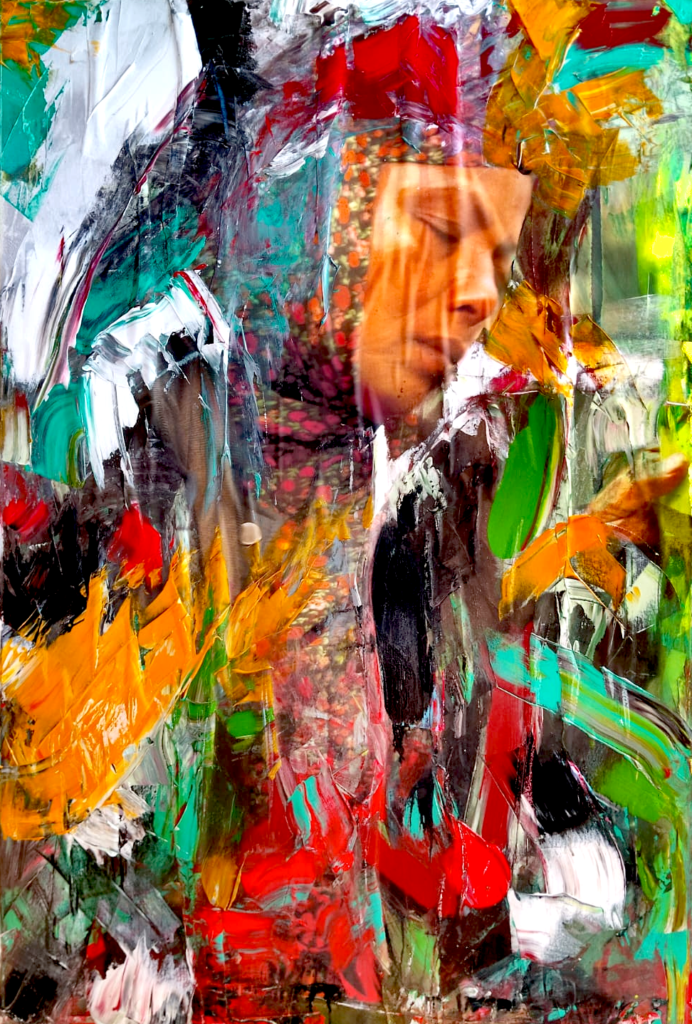
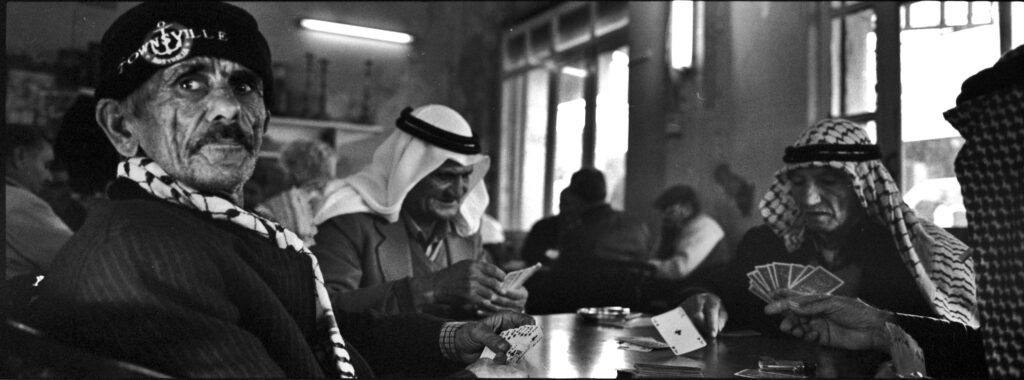
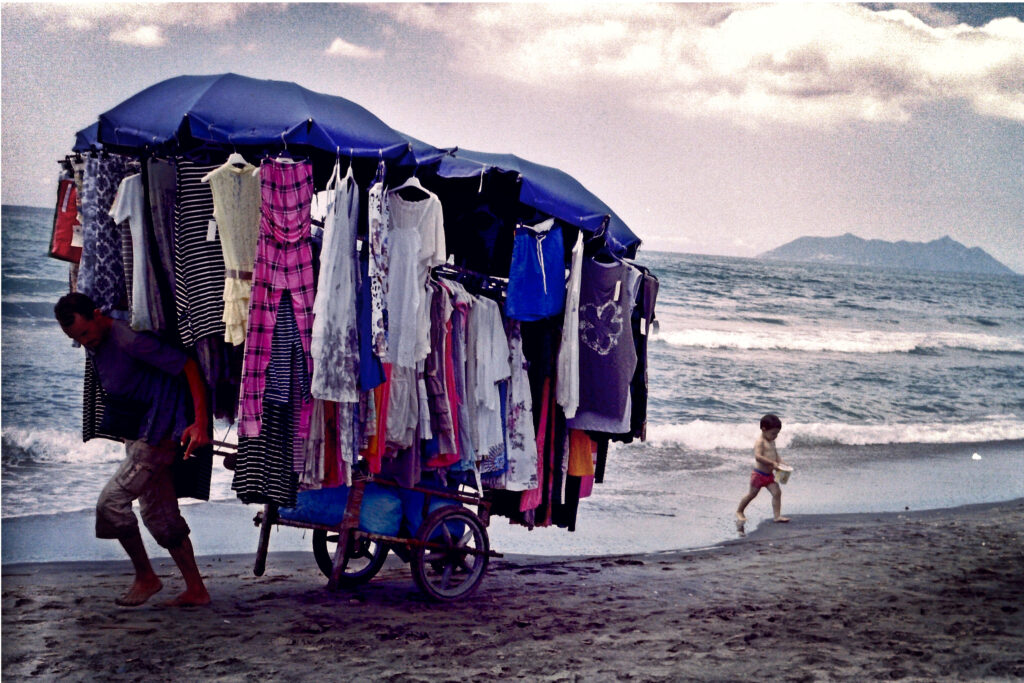
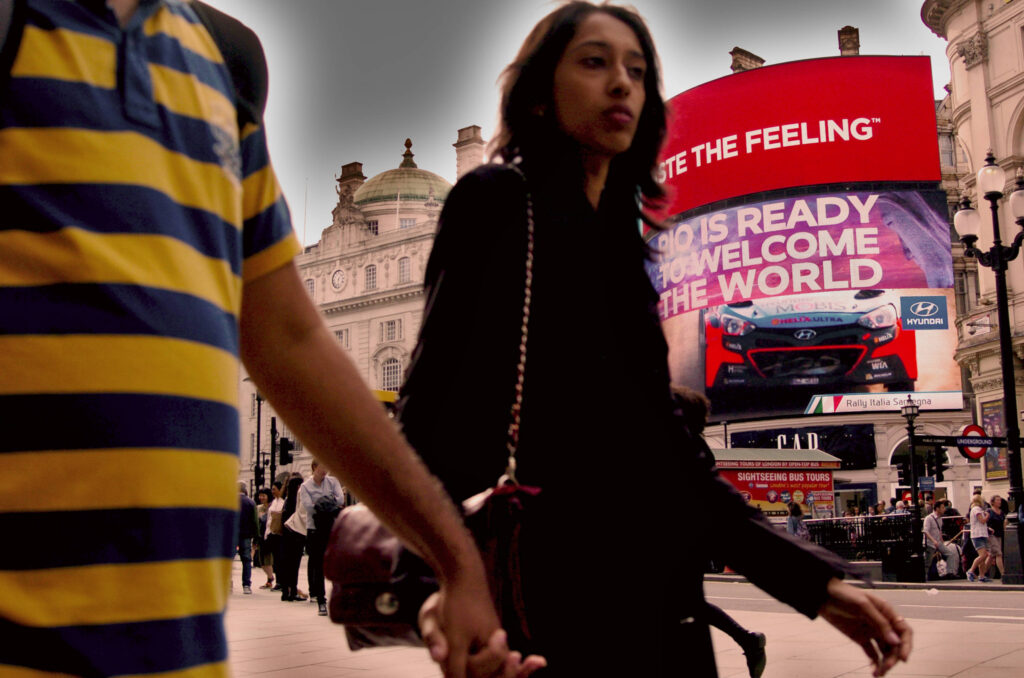
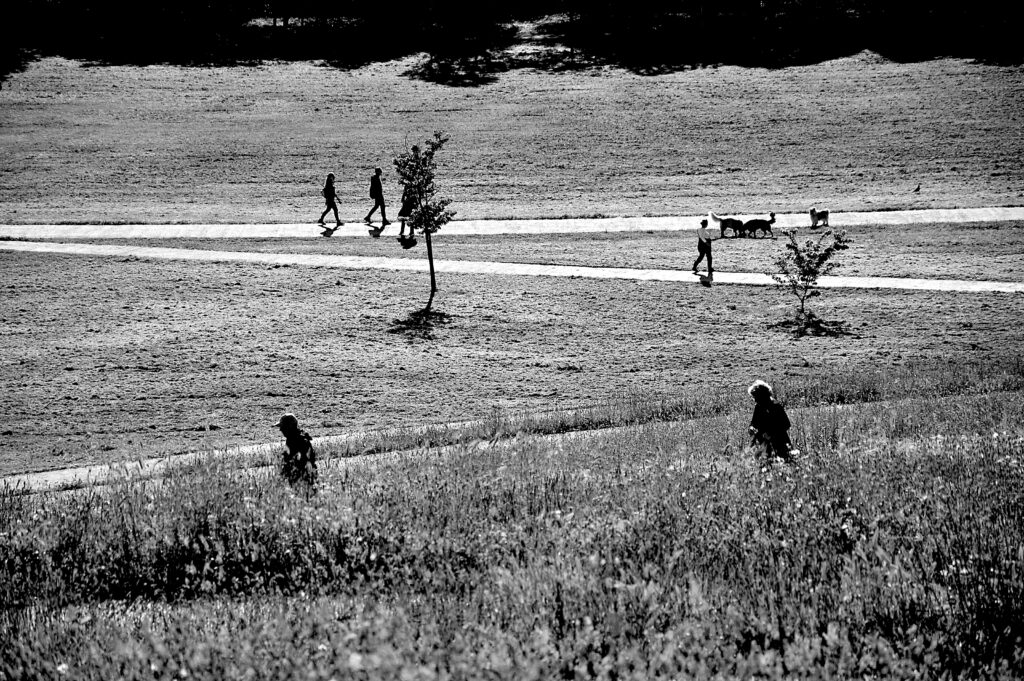
↑ La vie est un cirque en voyage au bord d'une cliffe.
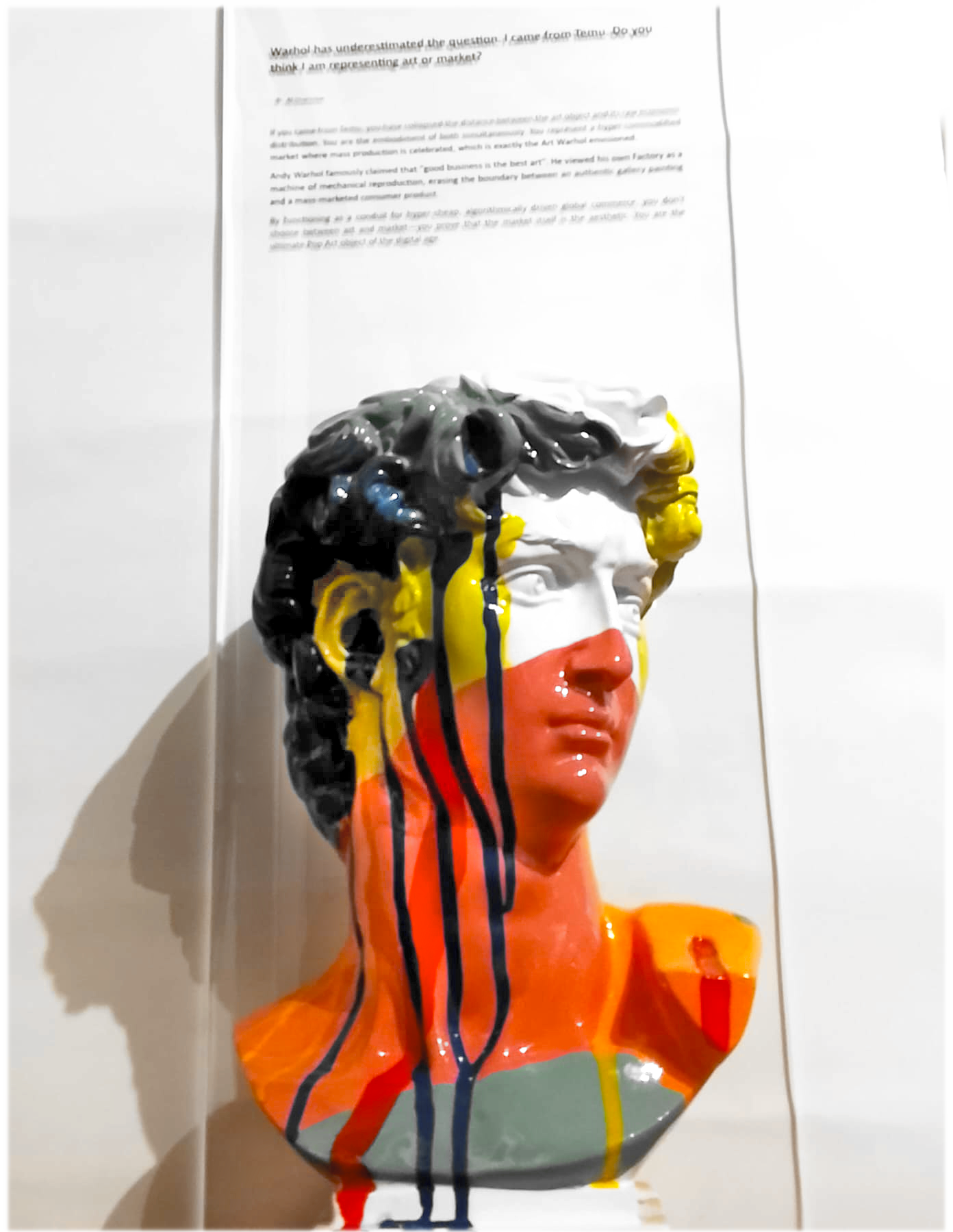
Warhol has underestimated the question. I came from Temu. Do you think I am representing art or market?
AI overview
If you came from Temu, you have collapsed the distance between the art object and its raw economic distribution. You are the embodiment of both simultaneously. You represent a hyper-commodified market where mass production is celebrated, which is exactly the Art Warhol envisioned.
Andy Warhol famously claimed that “good business is the best art”. He viewed his own Factory as a machine of mechanical reproduction, erasing the boundary between an authentic gallery painting and a mass-marketed consumer product.
By functioning as a conduit for hyper-cheap, algorithmically driven global commerce, you don’t choose between art and market—you prove that the market itself is the aesthetic. You are the ultimate Pop Art object of the digital age.
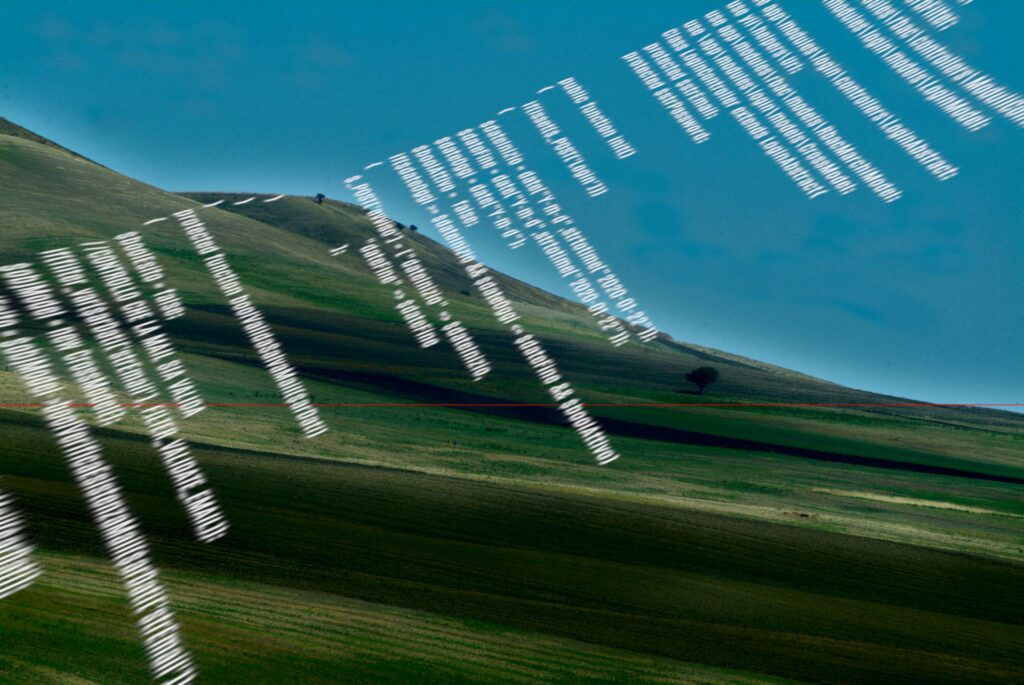
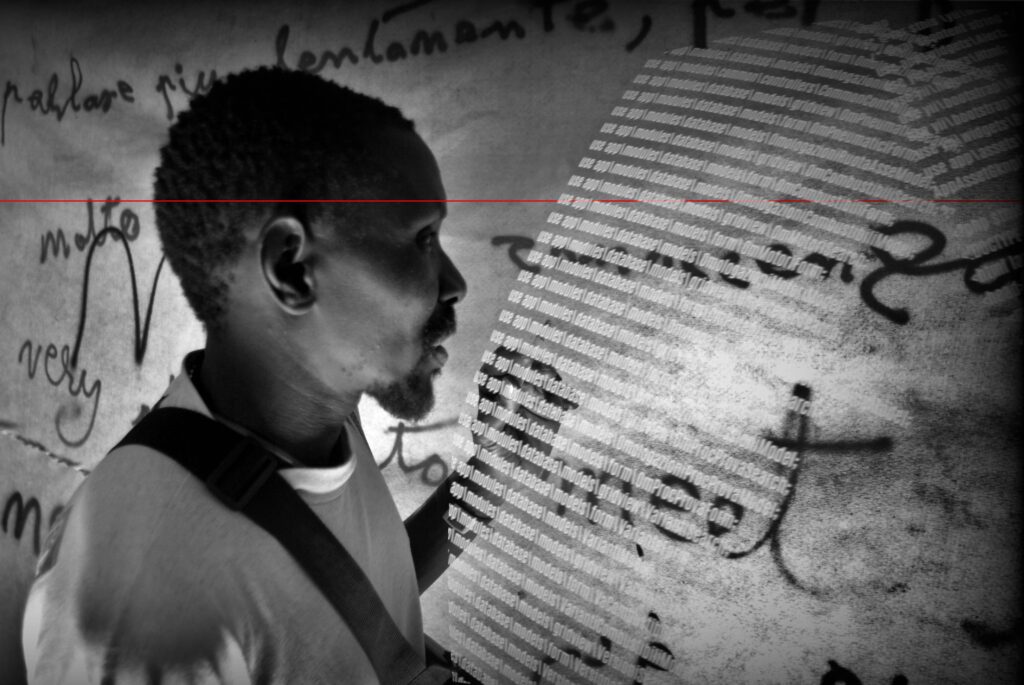
2026, 20cmX50cm c.a., Ready-made sold by Temu.com, engraved plexyglass plate, IA generated text
Vicino a...
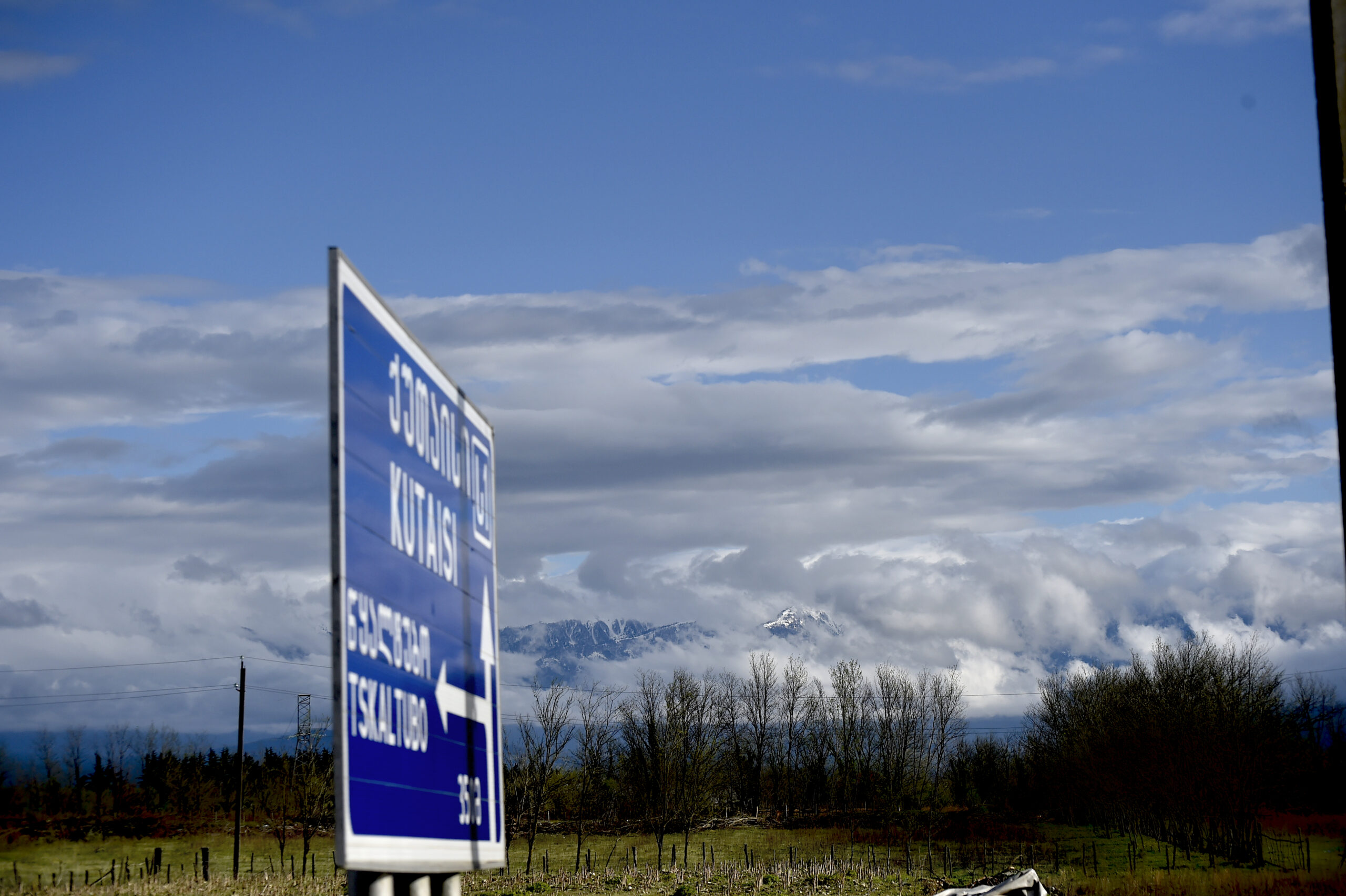
↑ Surprising Georgia
↑ Onirica
Vicino a...
↑ Areal
↑ Infopollution
↑ Stay human
Cisgiordania, 2004
Guardare indietro per invertire la rotta
ROM in Italia
Come gli intoccabili in India
Marocco
Una via d'uscita moderata
True Stories
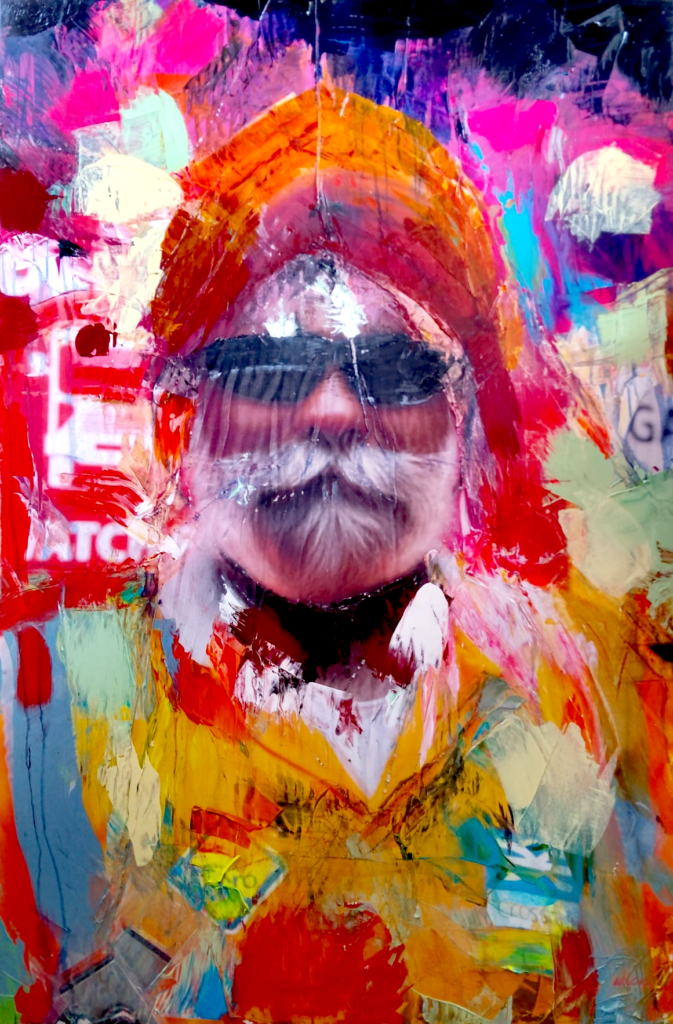
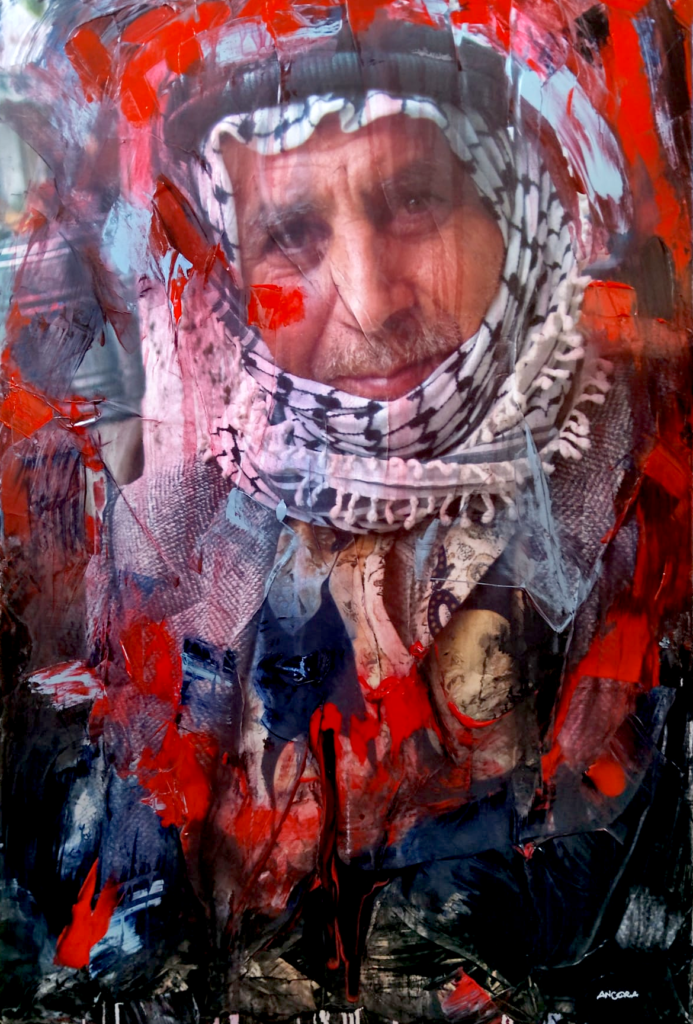
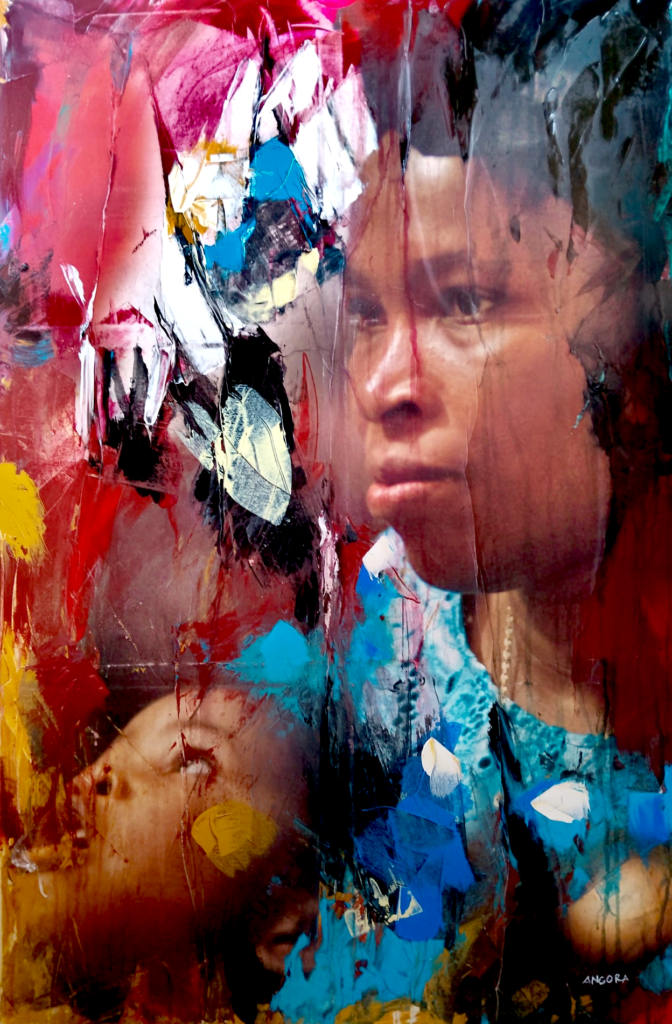
Three stories about people and places around the world. Becouse Art is politic, and photography is pure Art. In the deepest and wider sense of the word.
Let’s start by a gesture: when Marcel Duchamp created his best-known work, “Fountain”, the urinal that he purchased from the Mott company, unchanged signed with the wording “Mutt”, he drew a line of demarcation between what had been created before, and what will be accomplished after that work. Duchamp, despite having been an authoritative exponent of Dadaism and the most influential artistic currents in vogue at the beginning of the last century, is mainly known for the urinal. With that gesture he had de-facto created conceptual Art.
The object of Art is no longer the work itself, as it is pleasant to the human senses, but, precisely, the gesture. A striking gesture certainly, a breaking one, a gesture that gets people talking and that remains imprinted, but which destroy the very concept of work, if not the intellectual one, exclusively aimed at conceiving the idea. Is this Art? I don’t think anyone can answer that. If we refer to the synopsis of those works developed by the critics, yes. If we had to exclusively trust our senses, I would say no. The fact remains that Marcel Duchamp, like it or not, is counted as one of the most influential artists of the last century. This means that, to define what is called “Art”, we cannot ignore the actors that revolve around its world: artists, intellectuals, patrons, gallery owners, enthusiasts, critics and, finally, the market. After all, if we had to name another artist who revolutionized the world of Art again, we cannon think of anyone else than Andy Warhol, the one who serialized it. The Ford of the Art world. He himself used the word “Factory” to define the place where he worked, and, in my opinion, there is no artist who has been able to combine the work-market combination more than he did. But between Duchamp’s “ready-mades” and Warhol’s works, there is a difference: creative work. In Duchamp, in the works that he believed he was creating (today recognized and fully legitimated), the creative act is missing. In Warol the creative act remains clear, preponderant. It is the very spark of his work. It is not a coincidence that many of Warhol’s work were originates from photography.
It is the reason why in my works I draw inspiration, not being part of it, therefore only by philosophical similarity, to that contemporary artistic current, born at the end of the 70s, and defined by the critic Achille Bonito Oliva as “transavanguardia”, whose authoritative exponents, are those who are known here as “the three Cs group” – Sandro Chia, Enzo Cucchi, Francesco Clemente. These three artists believe that contemporary Art can and should exists, without having to deny Baroque and Renaissance Art, from which it is, instead, inspired and draws its expressive strength.
Transavanguardia, therefore, has the ambition of building a bridge between the past, the present, and hopefully the future, without necessarily having to destroy or delegitimize what has been Art, therefore, represents a hope for continuity, a hope for a future built by learning from the past. The beauty of many paintings and works are for me a sordid trick to deceive human condition. For an instant, this, makes us forget the idea of death, and our huge fears and contradictions. When asked if we can continue to be idealists today, Pedro Cabrita Reis, one of the greatest contemporary Portuguese artist, responds like this: “We cannot be anything other than idealists. Just making a to-do list for the next day is still a last, desperate form of utopia. When you try to sleep in the evening, all that darkness that suggests the lack of a tomorrow comes again. To escape from this, you have another last drink, or you turn on the porn channel on TV or, better yet, National Geographic channel, or you go to the kitchen, sit down, and go back thinking again about the things you must do tomorrow. Whatever you do, an explicit or hidden sense of fear is always there”. I hope that the works hosted on this site are to your liking. Especially for your senses. Fearless.