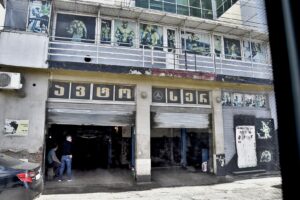
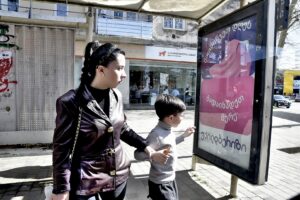
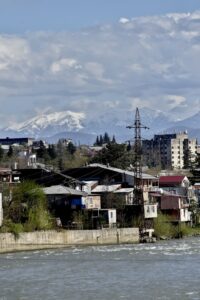
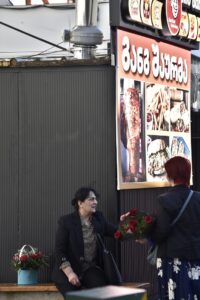
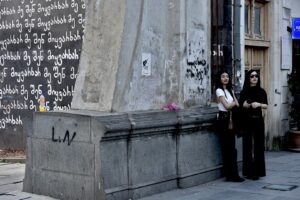
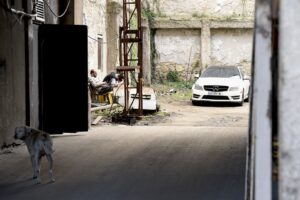
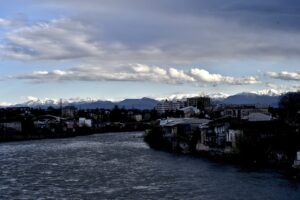
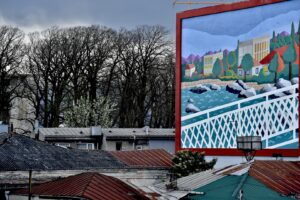
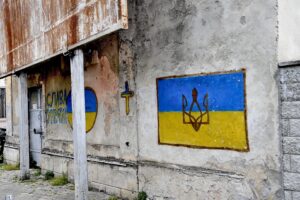
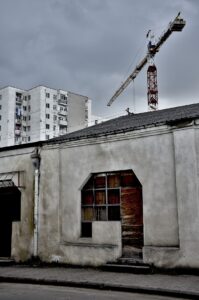
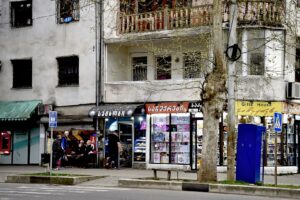
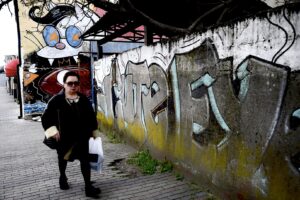
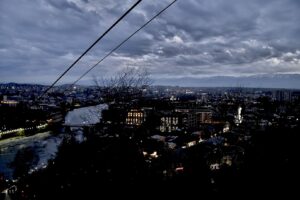
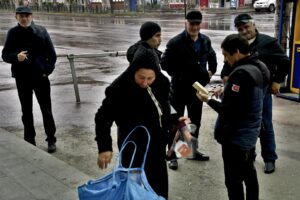
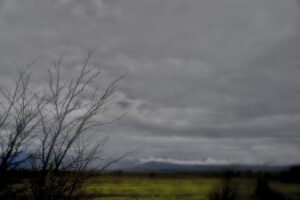
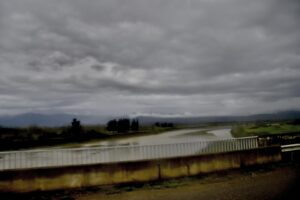
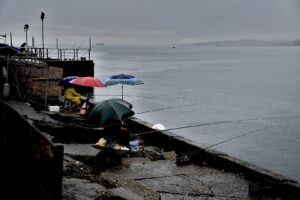
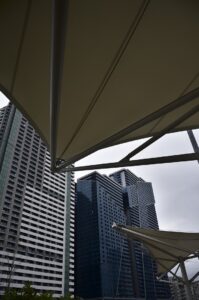
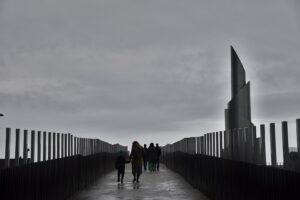
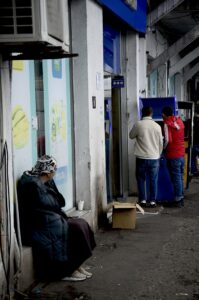
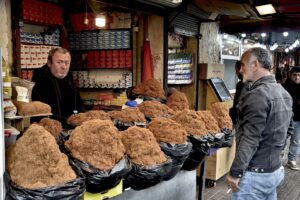
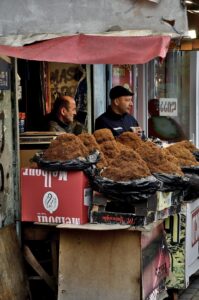
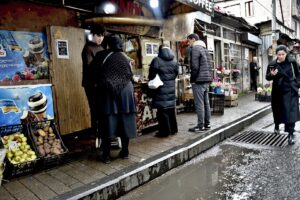
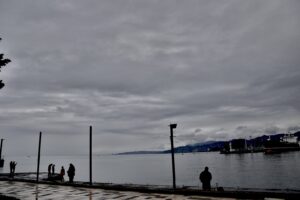
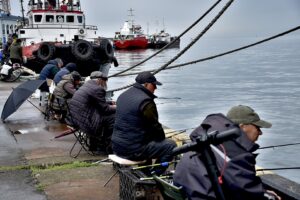
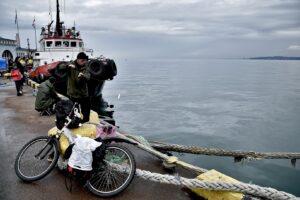
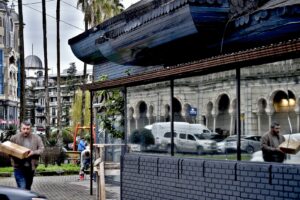
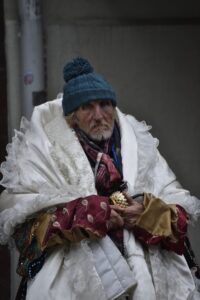
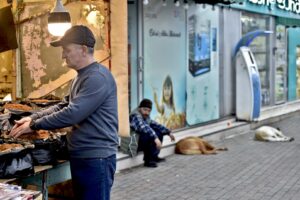
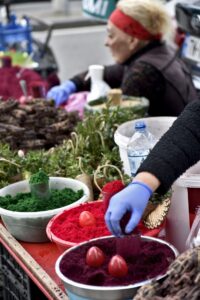
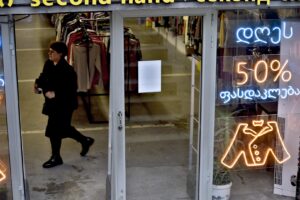
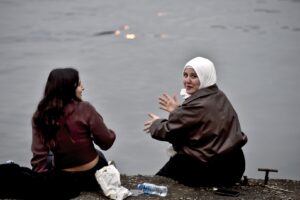
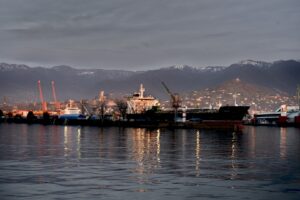
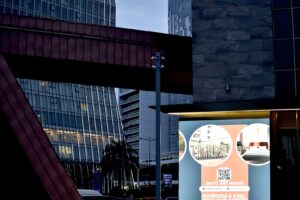
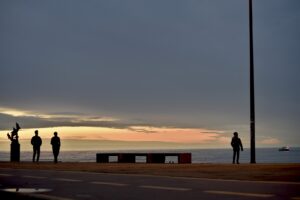
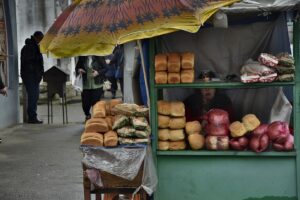
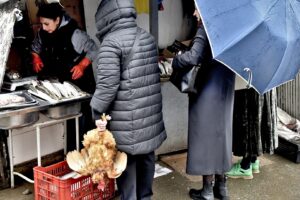
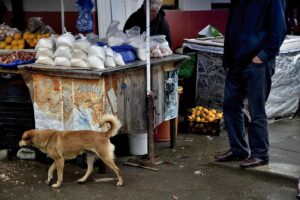
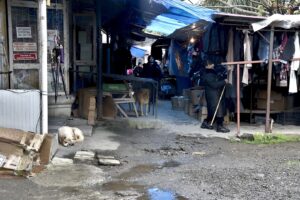
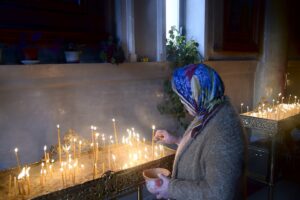
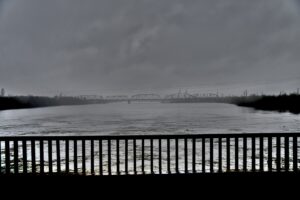
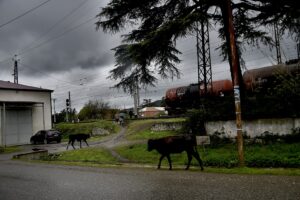
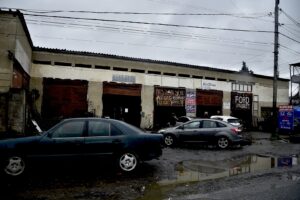
In the land the Greeks called Colchis, where Jason searched for the Golden Fleece, a less mythical but no less radical transformation is taking place. Western Georgia is a land of profound contrasts, influenced by Turkey, burdened by the Soviet legacy, and opening up to new trade routes to Europe. Three cities tell its story with clear yet distinct voices. Kutaisi, the ancient capital of the kings of Colchis, carries millennia of history—the Gelati Monastery, a UNESCO World Heritage site, coexists with time-worn Soviet architecture—but Kopitnari International Airport and the return of Parliament have restored its contemporary role and aspirations to modernity. Batumi, on the Black Sea, has boldly chosen its future: skyscrapers, free zones, and foreign investment multiply the skyline every season, in a hastily constructed modernity on the shores of the Black Sea. Poti, more modest and less developed, has become a crucial hub on the Middle Corridor, the Transcaucasian corridor that connects China to Europe, bypassing Russia and Iran—a role made even more strategic after the Russo-Ukrainian war that broke out in 2022. Yet the region remains two-speed: between glittering urban centers and inland rural areas, social disparities remain marked. The trajectory toward Brussels is clear in its intentions, but the distance to be covered is still considerable. What remains is the sense of a territory choosing itself—not without contradictions, not without costs, but with a determination that in this part of the world is never a given.