Stay Human
#artpaintings
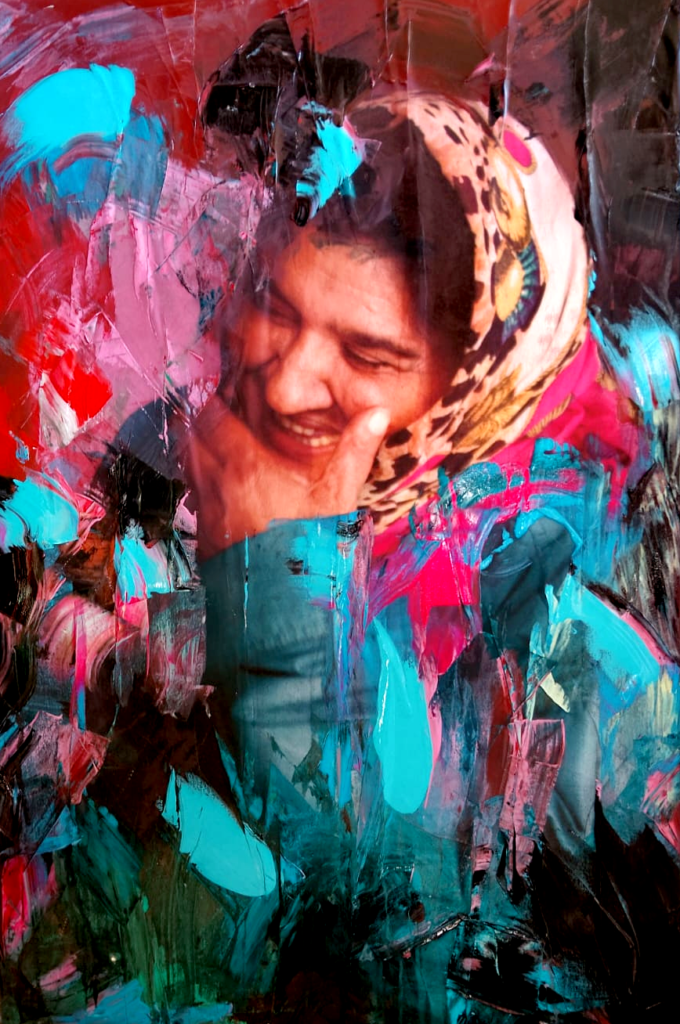
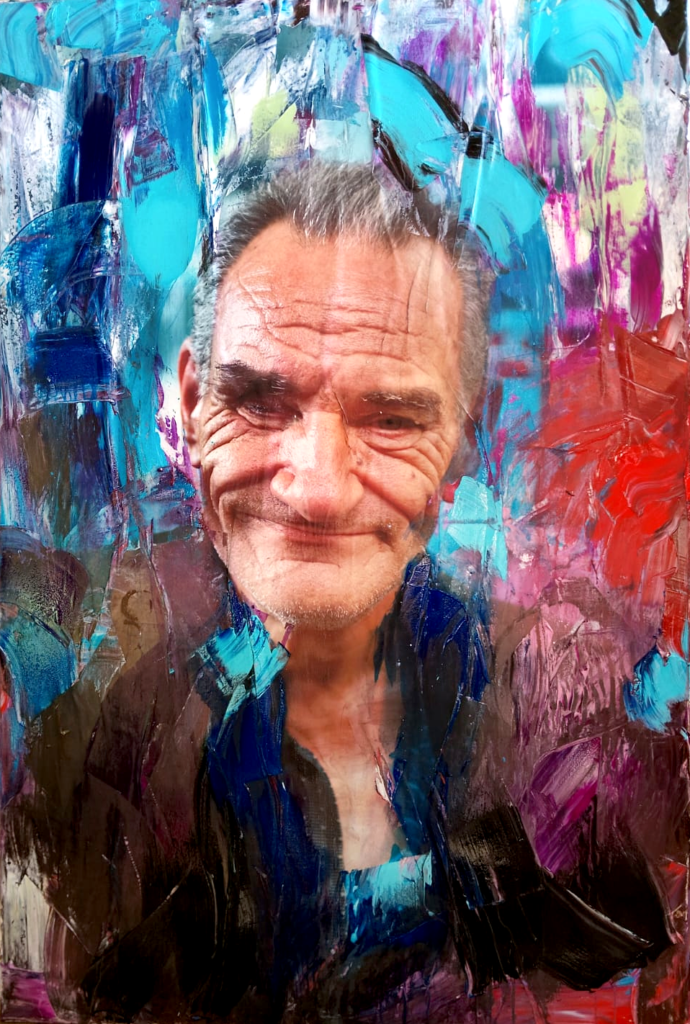
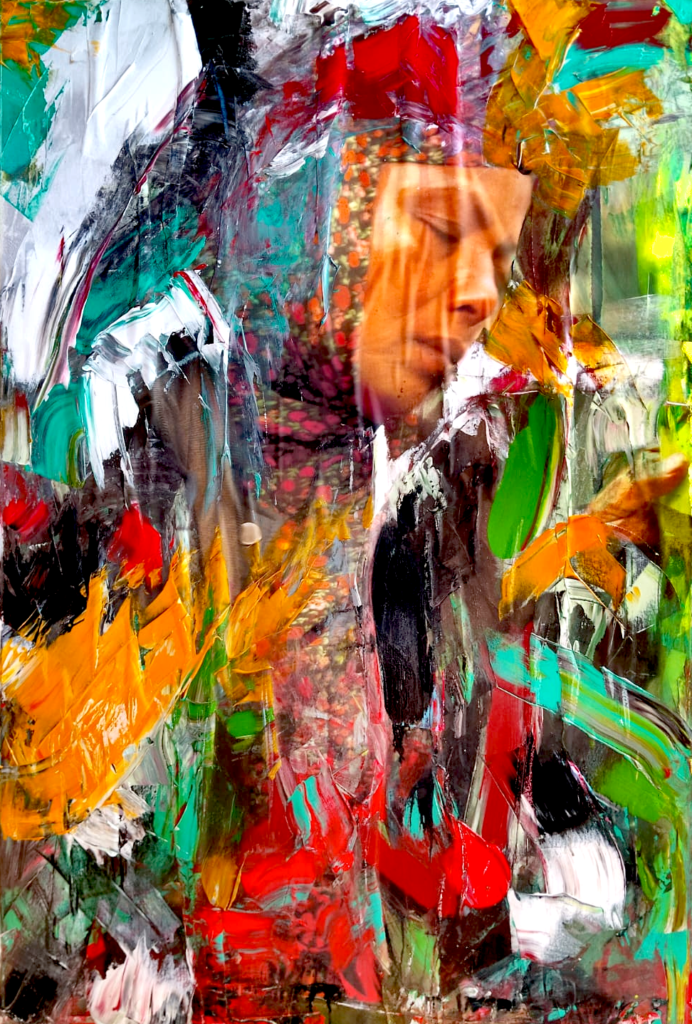
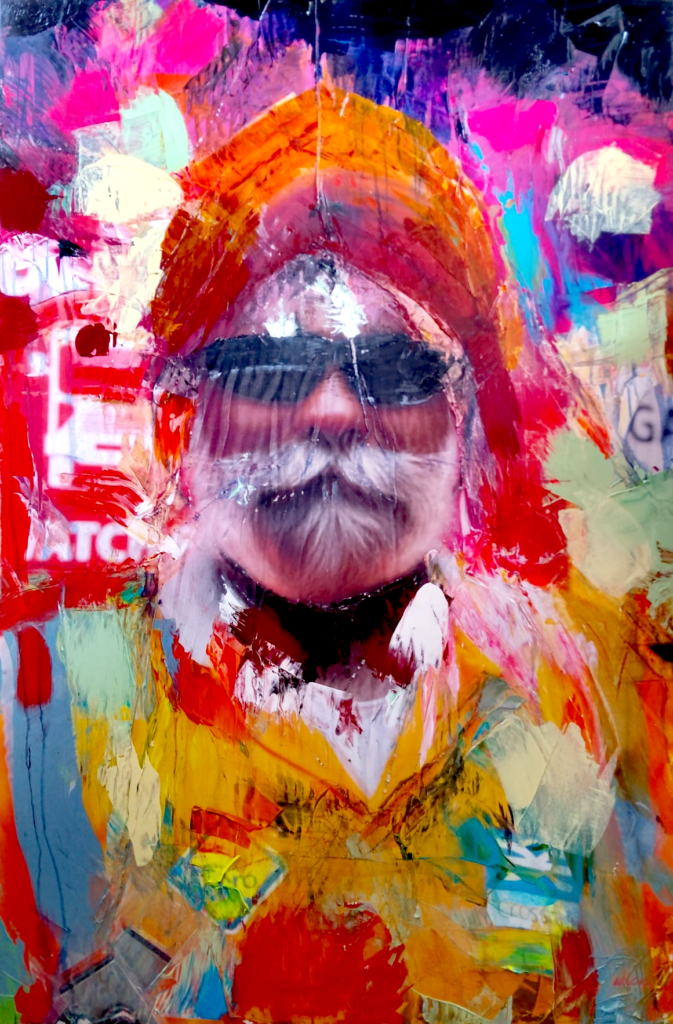
Acrylic on photo enlargement on canvas – 80 x 120 cm
“Being free does not simply mean breaking chains but living in such a way as to respect and accentuate the freedom of others.” (Nelson Mandela)
Like many of you, in this period historically characterized by a resurgence of nationalisms and extremisms that remind those who, like me, have passed “the halfway point of our life”, the darkest years of the last century, I wonder about the road, which not many years ago seemed wide and comfortable to everyone and that now, instead, in the space of a couple of decades has become narrow, dirt and tortuous, the same road that should lead humanity towards a better future. While you are reading, many are dying in Ukraine as in Gaza and the West Bank, in Lebanon and Russia, in Syria in Iran and Yemen and in the United States and Israel, just as in many countries of Western Europe the populist, nationalist and denialist right asserts itself overwhelming all pre-existing political balances and our certainties as free and democratic people. For those who are not used to jumping on the bandwagon of the winners, after an initial sense of dismay and impotence, it is necessary to reflect on the causes that are progressively leading this part of the world, once the cradle of law and mother of the Enlightenment, towards a perspective that I have no difficulty in defining as at least dark. First consideration: unfortunately it has already happened in the past. In other forms and under other guises, but the problem, in Italy as in other parts of the West, arises again. Second consideration: it is a historical phase and like all historical phases, in one way or another it will end and the cycle will begin again. So why is it happening? If we analyze the most significant phenomena of our era, the salient facts are those that I list below:
First: a marked emigration of people from the south and east of the world to Western countries. Second: a predatory and immoral capitalism that has created a strong and ever-widening gap between rich and poor. Third: an exponential growth of digital processes and Social Networks that radically polarize judgments and are in the hands of very few people who now have financial power and influence over the billions of users who frequent their social platforms, practically unlimited.
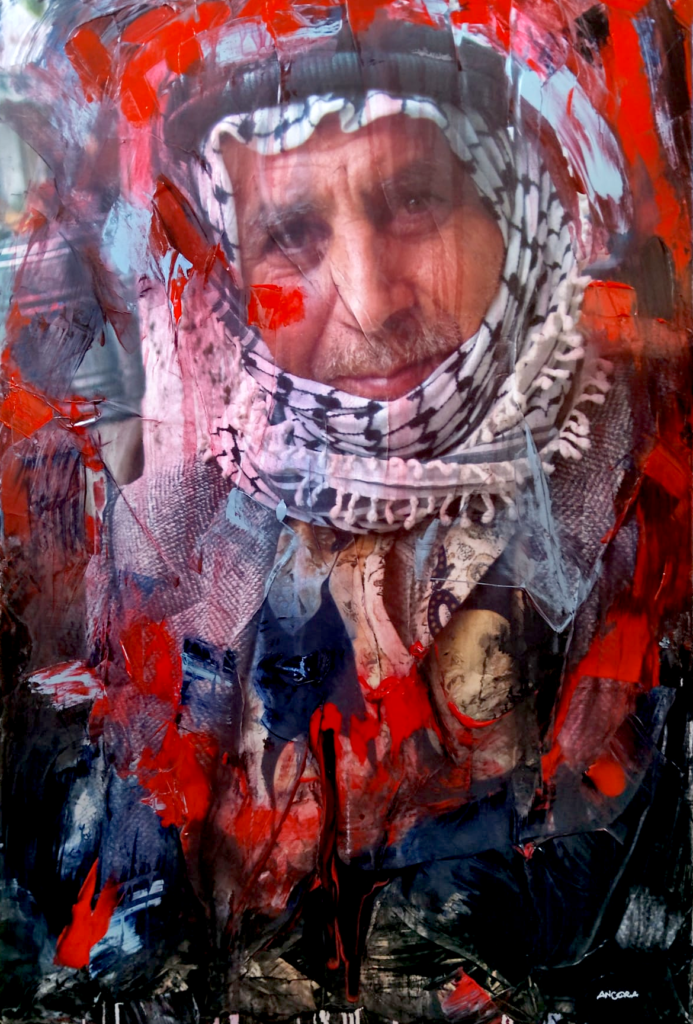
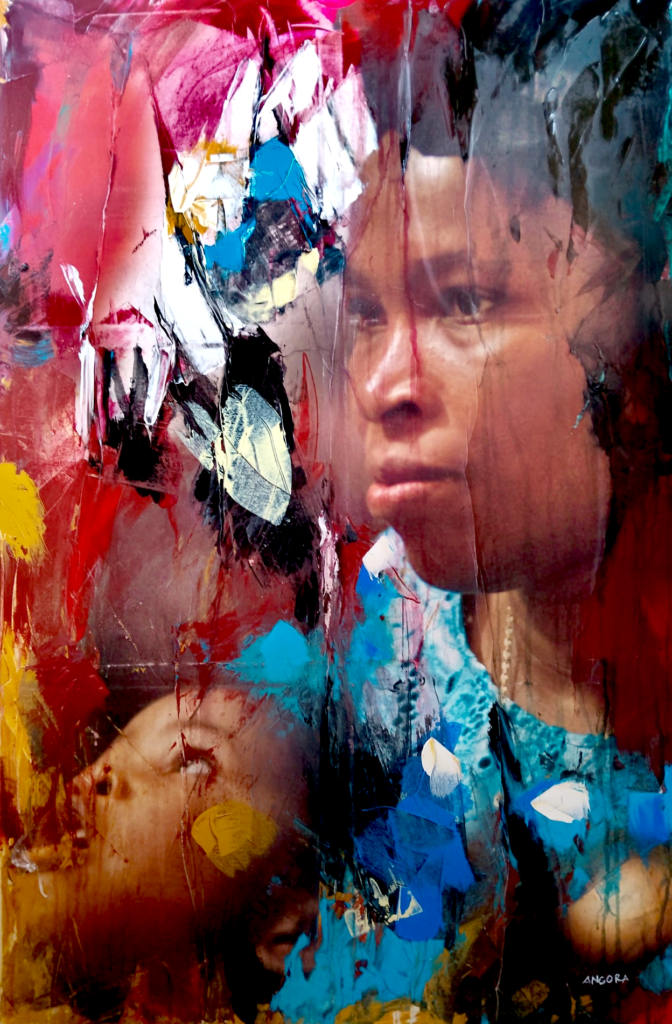
Fourth and last element: a generalized cultural degradation and the legitimization of the display of any violent verbal behavior for narcissistic purposes. But the aggressiveness of the new dominant political classes towards “the others” i.e. non-conformists, is in reality an indication of a profound weakness. The weakness of not knowing how to deal with a reality that tells us, whether we like it or not, that we already live in a multi-ethnic and multicultural society, and yet, looking at demographic statistics, pretends not to notice that population growth in the South of the world is radically more sustained than that of Western countries, and that consequently migration will increase, and will have to be managed, and, above all, the absolute lack of realism that does not grasp the opportunity that migrants offer to the European demographic increase and, consequently, to the maintenance of welfare, and instead sees them rejected in their countries. The policies implemented are not able to manage the problems, because they are based instead on archaic ideological elements that do not solve them, indeed, create new ones. Behind the motto “God, Country and Family” lies the inability to manage the epochal problems of our time with complex solutions, and the attempt to simplify by indicating in fact an impracticable path that no longer even corresponds to the reality in which the supporters of the slogan are immersed. God aside (everyone, if they want, in this historical phase, makes their own in their own image and likeness) country and family, in the sense propagated by the right, in today’s society are and remain only lexical notations surpassed by the facts. The first, in a world in which information and financial flows move without geographical borders at the speed of light, is now a mere illusion. On the contrary, the West, instead of defining the borders of national states, desperately needs to erase them. For its own survival in a world that is now, once again, strongly polarized. The second, if the ideal one ever existed, driven by consumerist suggestions, has crumbled under the weight of the exaltation or, worse, the debasement of the “Ego” for commercial purposes, and of individualism. In this bleak panorama, I am sure that one of the hopes that remains to us consists in taking our share of responsibility and, above all, in remaining human. Until the virtuous cycle begins again.